

Winter in eastern Idaho brings severe freezing temperatures, heavy mountain snow, and icy commutes along I-15. Preparing your vehicle before the first winter storm hits is essential for safe driving, maintaining performance, and avoiding costly roadside emergencies.
Whether you drive a RAV4, Tacoma, or Camry, here is a step-by-step winter maintenance checklist to get your Toyota fully prepared for cold-weather driving.
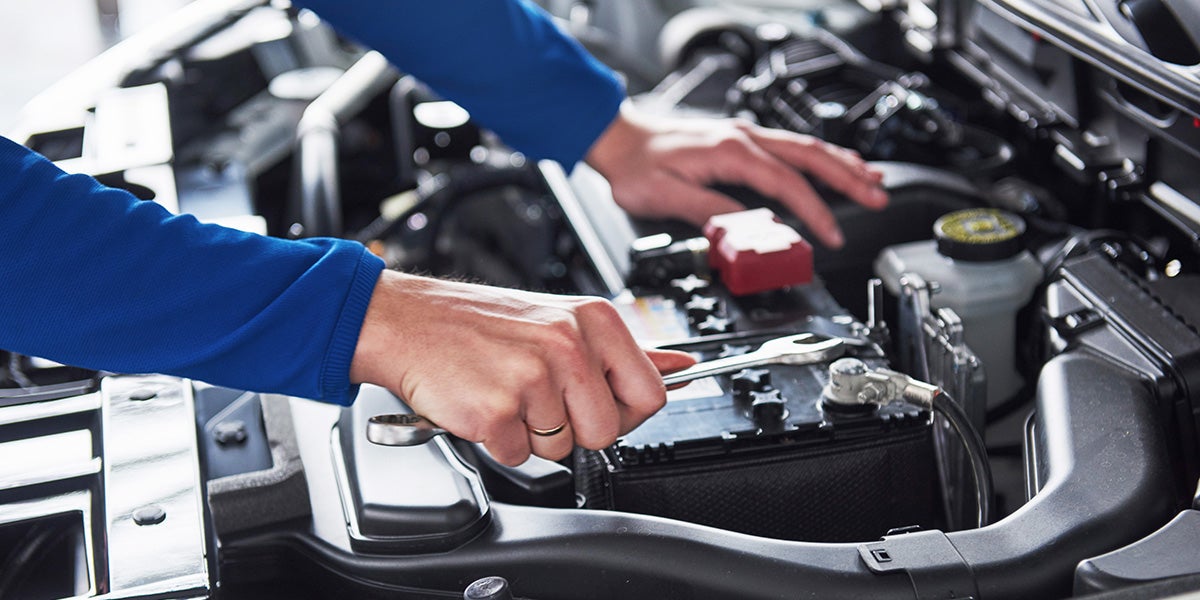
1. Check & Service Your Battery
Cold weather drastically reduces a battery’s output—at freezing (32 degrees Fahrenheit), a battery loses about 20 percent of its strength, and at 0 degrees Fahrenheit, it can lose over 50 percent.
Test Cold Cranking Amps (CCA): Ensure your battery has enough power to turn over a cold engine on freezing mornings.
Inspect Terminals: Look for corrosion, loose connections, or swelling on the battery case.
Proactive Replacement: Most vehicle batteries last 3 to 5 years. If yours is approaching that mark, consider replacing it before winter sets in.
2. Inspect Tire Tread & Consider Winter Tires
Tires are your only contact point with icy roads. Proper tread depth and rubber flexibility are crucial for maintaining traction and reducing stopping distances.
Check Tread Depth: Ensure your tires have sufficient tread depth (at least 4/32 inches for winter conditions).
Monitor Tire Pressure (TPMS): Tire pressure drops roughly 1 PSI for every 10-degree Fahrenheit drop in outside temperature. Keep your tires inflated to the recommended PSI listed on your driver’s side door jamb.
Switch to Winter Tires: Standard all-season tires harden when temperatures drop below 45 degrees Fahrenheit. Dedicated winter tires feature specialized rubber compounds and aggressive siping patterns designed to grip snow and ice.
3. Top Off Essential Engine Fluids
Cold weather impacts how engine fluids flow and protect internal components.
Engine Coolant / Antifreeze: Antifreeze prevents your engine block from freezing and cracking. Ensure your coolant mixture is at a proper 50/50 ratio of antifreeze to water.
Winter-Grade Windshield Washer Fluid: Replace summer washer fluid with a winter formula rated for 20 degrees below zero Fahrenheit or lower to prevent the fluid and spray nozzles from freezing.
Fresh Engine Oil: Lower viscosity oil flows better in sub-zero temperatures, reducing engine wear during cold starts.
4. Test Brakes, Lights & Wiper Blades
Visibility and stopping ability are paramount when driving through winter storms or dark commutes.
Brake Inspection: Have your brake pads and rotors checked for wear to ensure responsive braking on slick surfaces.
Replace Wiper Blades: Swap worn blades for heavy-duty winter wiper blades designed to push heavy snow and ice off the windshield without streak marks.
Inspect All Exterior Lights: Ensure headlights, taillights, fog lights, and brake lights are clean and working properly so other drivers can see you in low-visibility conditions.
5. Build an Emergency Winter Driving Kit
Even with a fully maintained vehicle, unexpected delays or extreme weather can leave you stranded. Keep a winter emergency kit in your trunk or cargo area containing:
Ice scraper and snow brush
Jumper cables or a portable jump-starter pack
Flashlight with extra batteries
Small shovel and traction mats (or cat litter/sand)
Blankets, extra gloves, and warm clothing
First-aid kit, bottled water, and non-perishable snacks
Schedule Your Toyota Winter Service in Pocatello, ID
Don't wait for the first winter freeze to find out your vehicle isn't ready. Bringing your vehicle in for seasonal service ensures your brakes, battery, tires, and fluids are inspected by factory-trained technicians using Genuine Toyota Parts.
Schedule your winter maintenance service online at